Attic Mold Remediation in Carson City, NV
The roofer who came to look at the swamp cooler came down the ladder and said the plywood around the cooler cutout is black, and so is the deck along the north eave where the ice sits every February. This site connects you by phone with an independent local provider who does attic mold remediation in Carson City and the Carson Valley.
What the crew does first
Someone goes into the attic with a light and a moisture meter and maps the growth. They look at the roof deck around any cooler or vent penetration, the north and east eaves, and the underside of the deck above bathrooms and the kitchen. They check whether the bathroom fans vent outside or into the attic, whether the soffit vents are blocked by insulation, and whether the cooler supply line and pan are wet.
Containment in an attic means sealing the hatch, covering the ceiling below if the drywall is stained, and running a HEPA air scrubber as negative air so the work does not push dust down into the house. Workers wear respirators and suits; attics here are dusty even when they are clean.
What to do in the next hour
Shut the water to the swamp cooler if it has one, and leave the cooler off. Do not go into the attic to look for yourself without a respirator; disturbing the insulation is what puts spores into the house. If a ceiling below is stained and soft, keep people out of that room.
Take a few photos from the hatch. Note where the ice dams form on the roof every winter, because the crew will want to know.
What is usually saved and what is removed
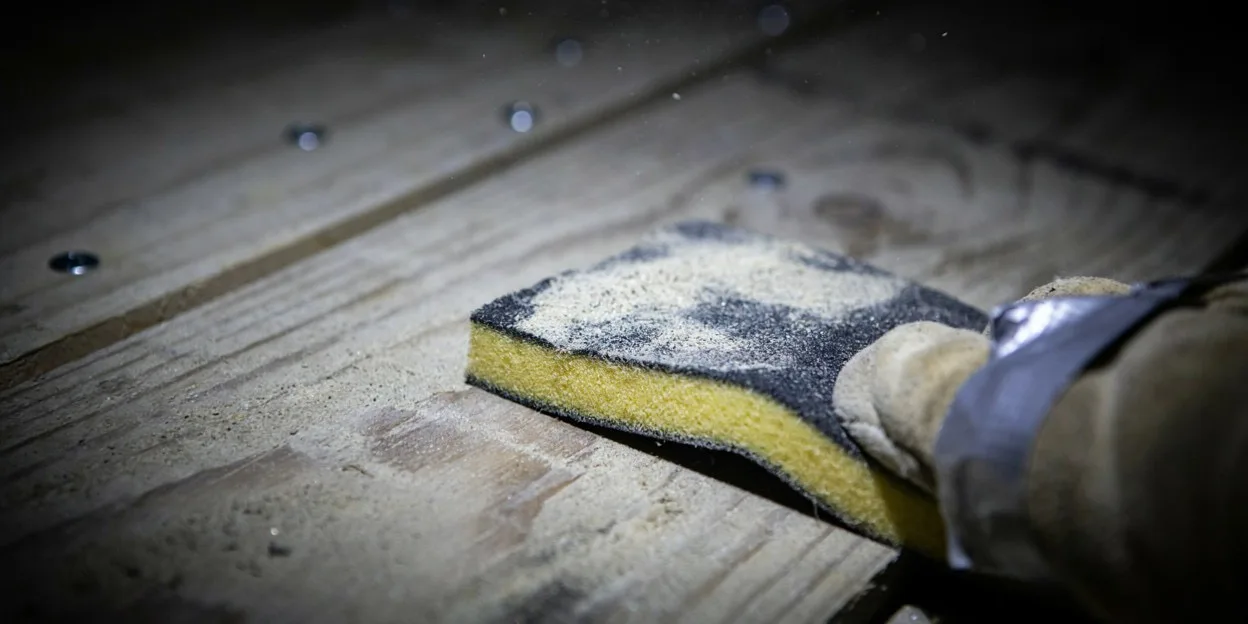
The roof deck and rafters stay. Growth on the wood is cleaned, usually by HEPA vacuuming and then wiping, wire-brushing, or light sanding, and in some cases a treatment is applied to the cleaned wood. Wet insulation under the affected deck comes out and is bagged. Rotten plywood around a cooler cutout or a long-term ice-dam leak comes out and is replaced, which is roofing work.
The moisture fix is the part that matters most. That can mean rerouting bathroom fans through the roof, clearing the soffits and adding baffles, air-sealing the ceiling so warm indoor air stops reaching the cold deck, repairing the cooler line or pan, or removing the cooler and patching the roof. If the stained ceiling below has growth in it, that piece is mold removal, and the drywall going back is mold damage repair.
Carson City notes: swamp coolers, ice dams, and cold decks
Roof-mounted evaporative coolers are still common on the 1950s to 1970s ranches in north and south Carson City. Each one has a water line, a float valve, and a pan, and each is a leak path straight into the attic. A cooler that is not drained and covered before the first freeze is a cooler that leaks in April.
Ice dams do the rest. A Carson City roof with thin insulation and heat leaking into the attic melts snow from below; the water runs to the cold eave, freezes, and backs up under the shingles. Fourteen inches of snow a year is enough to do it on a north-facing slope. Warm, wet air from bathroom fans and dryer vents that end in the attic condenses on the deck on cold nights and feeds growth along the whole underside.
Attic mold is often found during a sale, when a buyer's inspector goes up with a light. Ask the crew for moisture readings on the deck before the insulation goes back and for photos of the cleaned wood. Nevada has no mold-specific license; the contractor who replaces plywood or reroutes a fan holds a state license you can verify.
Calling about attic mold remediation
Have the address, the roof type and age, and what the roofer or inspector found. Say whether the house has a swamp cooler and whether any ceilings below are stained. Call (775) 242-6705.