Mold Removal in Gardnerville, NV
Gardnerville runs into Minden along U.S. 395 without a visible seam, but it is the older and the larger of the two, named for cattleman John Gardner and built up from the 1880s as the ranch town of the Carson Valley. About 6,200 people live in the town proper at 4,750 feet, and the Gardnerville Ranchos, a separate community of 1970s through 2000s subdivisions south and west of town, is bigger still.
The valley floor here gets under nine inches of rain a year, so the water that grows mold comes from inside the house or from the ground. Older homes along Main Street and the side streets have crawl spaces and cellars under wood-frame construction from the 1890s to the 1940s. The Ranchos are mostly single-story homes on crawl spaces with block stem walls, built fast in the 1970s and 1980s, and a lot of them still have original galvanized plumbing and roof-mounted swamp coolers.
Call this site from Gardnerville and you reach an independent mold provider who serves the south end of the Carson Valley. The provider handles the visit, the plan, and the work. This site only makes the connection.
Gardnerville mold, old town and the Ranchos
In the Ranchos the call is a swamp cooler line or a galvanized pipe that finally let go, which is attic mold remediation above or mold removal in the wall. In the older houses near Main Street it is a cellar that stays damp after the spring melt, which is crawl space mold remediation.
Where to call in Gardnerville
The Ranchos have their own water, sewer, streets, and storm drains through the Gardnerville Ranchos General Improvement District; the town proper gets sewer through the Minden-Gardnerville Sanitation District and water from a separate water company. Rebuild permits go through Douglas County in Minden.
The Douglas County Historical Society runs the Carson Valley Museum and Cultural Center on U.S. 395 in town, and its files are the place to find out when a Main Street house was built and what it has been through.
Call (775) 242-6705 to be connected with a local mold provider serving Gardnerville.
Services Available in Gardnerville
Mold Removal
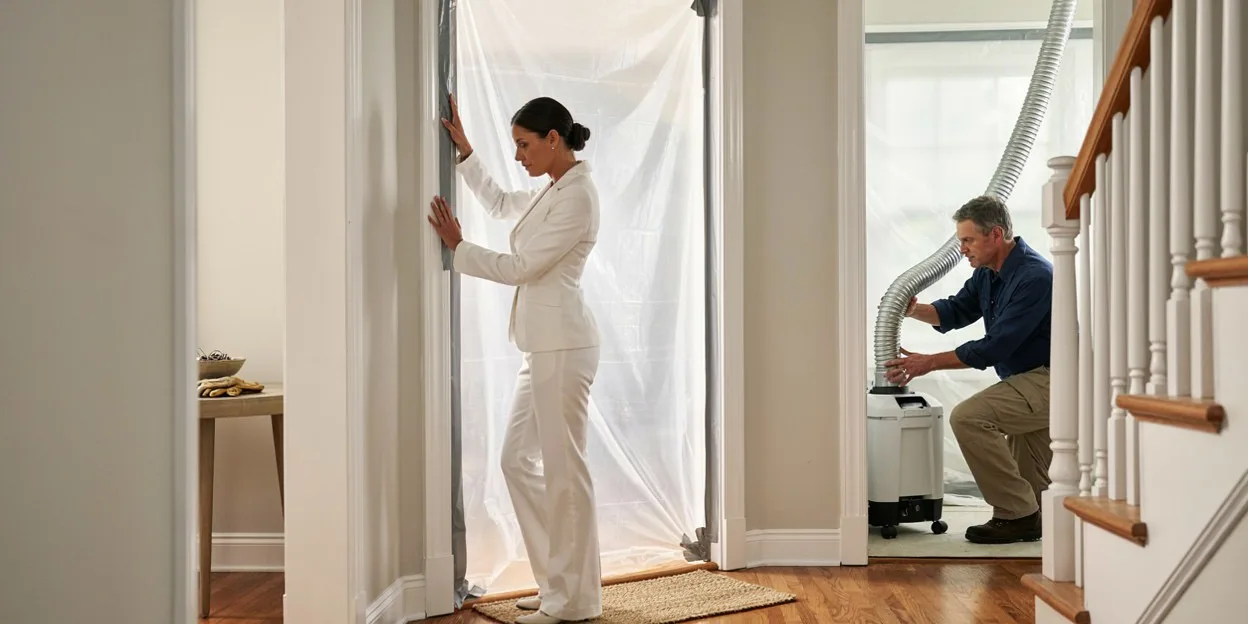
Containment, negative air, and HEPA filtration while wet drywall, trim, and insulation come out, then cleaning and drying down to the framing.
Black Mold Removal
Dark growth on a wet wall or crawl space beam, handled under full containment. Color does not name the species, and the process is the same.
Whole-Home Mold Remediation
Room-by-room containment and removal after a burst pipe, a long roof leak, or a house that sat closed and wet through a Carson City winter.
Crawl Space Mold Remediation
Joists, subfloor, and insulation under the house cleaned or removed, with the snowmelt, plumbing, or drainage source fixed before it is closed up.
Bathroom Mold Removal
Growth in ceilings, drywall, and behind vanities from steam and slow leaks, the most common first call from older Carson City homes.
Attic Mold Remediation
Roof-deck and rafter mold from ice dams, swamp cooler lines, and warm indoor air hitting a cold roof, cleaned and the cause corrected.
Mold Damage Repair
Drywall, baseboard, subfloor, and cabinet bottoms put back after removal, only once the framing reads dry and the leak is stopped.
Mold Odor Removal
Finding and removing the damp material behind a musty smell that outlasted cleaning, then treating surfaces and air so it stays gone.