Mold Removal in West Side Historic District, NV
The West Side is the Carson City that was here before the state was, roughly the blocks west of Carson Street between the Capitol and the foot of the Carson Range. The houses date from the 1860s through the 1920s: Italianate and Queen Anne wood-frame homes, a few in brick and stone, the Governor's Mansion of 1909 on Mountain Street, and the churches and mansions along the 2.5 miles of the Kit Carson Trail. Most of the roughly 50 landmarks on that walk are private homes that people still live in.
Those homes were built on stone and brick foundations with shallow crawl spaces and, in many cases, dirt-floor cellars. The foundations wick water. Every spring, the snow that piled on the north side of the house melts straight into the stone, and every summer the cellar breathes that moisture up through the floor. Add 150-year-old plumbing, lath and plaster walls that hold water, and attics with no insulation, and the district generates a steady share of the city's mold calls.
This site connects West Side homeowners with an independent local mold provider. You call, describe what you see or smell, and the provider decides what to bring.
West Side mold, in a house on the National Register
The most common call is the cellar or crawl space after the melt, which is crawl space mold remediation on stone walls and full-dimension joists. Growth in a plaster wall from an old supply line is mold removal, and putting the wall back means matching lath, plaster, and trim profiles, which is mold damage repair done by someone who has worked in the district.
Where to call on the West Side
The district's story is laid out on the Kit Carson Trail, the 2.5-mile walking route past the homes, museums, and churches of the historic district. Permits for work on these houses go through the Carson City Building Division, and exterior changes in the district can involve the city's Historic Resources Commission.
Call (775) 242-6705 to be connected with a local mold provider serving the West Side Historic District.
Services Available in West Side Historic District
Mold Removal
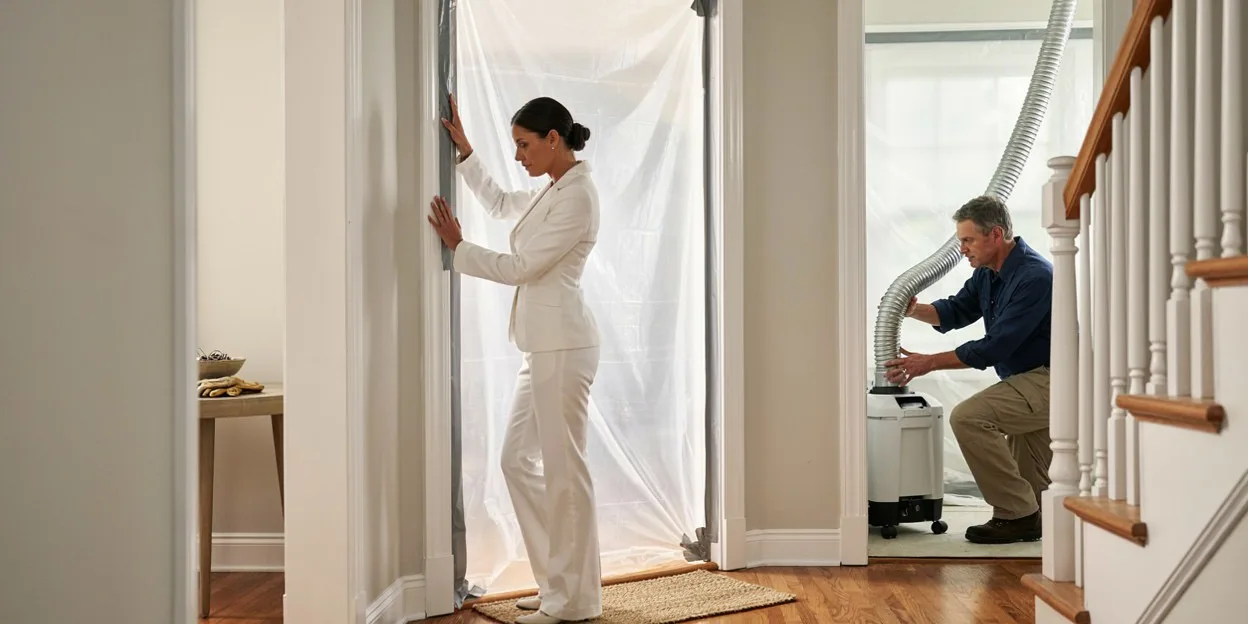
Containment, negative air, and HEPA filtration while wet drywall, trim, and insulation come out, then cleaning and drying down to the framing.
Black Mold Removal
Dark growth on a wet wall or crawl space beam, handled under full containment. Color does not name the species, and the process is the same.
Whole-Home Mold Remediation
Room-by-room containment and removal after a burst pipe, a long roof leak, or a house that sat closed and wet through a Carson City winter.
Crawl Space Mold Remediation
Joists, subfloor, and insulation under the house cleaned or removed, with the snowmelt, plumbing, or drainage source fixed before it is closed up.
Bathroom Mold Removal
Growth in ceilings, drywall, and behind vanities from steam and slow leaks, the most common first call from older Carson City homes.
Attic Mold Remediation
Roof-deck and rafter mold from ice dams, swamp cooler lines, and warm indoor air hitting a cold roof, cleaned and the cause corrected.
Mold Damage Repair
Drywall, baseboard, subfloor, and cabinet bottoms put back after removal, only once the framing reads dry and the leak is stopped.
Mold Odor Removal
Finding and removing the damp material behind a musty smell that outlasted cleaning, then treating surfaces and air so it stays gone.